
In 2023, the European Union had approximately 448.8 million residents, of whom 95.6 million were aged 65 or older.
According to Eurostat, the proportion of people aged 65 and over in the EU has increased over the last two decades, rising from 16.2 % in 2003 to 21.3% in 2023. In Slovenia, this growth has been even more pronounced, climbing from 14.8 % to 21.5 % over the same period.
The percentage of people aged 65 and over varies significantly across EU countries. Italy has the highest share (24%), followed by Greece (23.1%), Portugal, and Finland (around 22%). In contrast, the lowest proportions are found in Ireland (approximately 15.5%) and Luxembourg (15%). The EU-27 average, according to Slovenia’s Statistical Office (SURS), was 21.1%, matching Slovenia’s figure, where more than 400,000 residents are aged 65 or older.
The average life expectancy in the EU has increased from 77.7 years in 2003 to 81.5 years in 2023. In Slovenia, it rose from 76.4 years to 82 years during the same period.
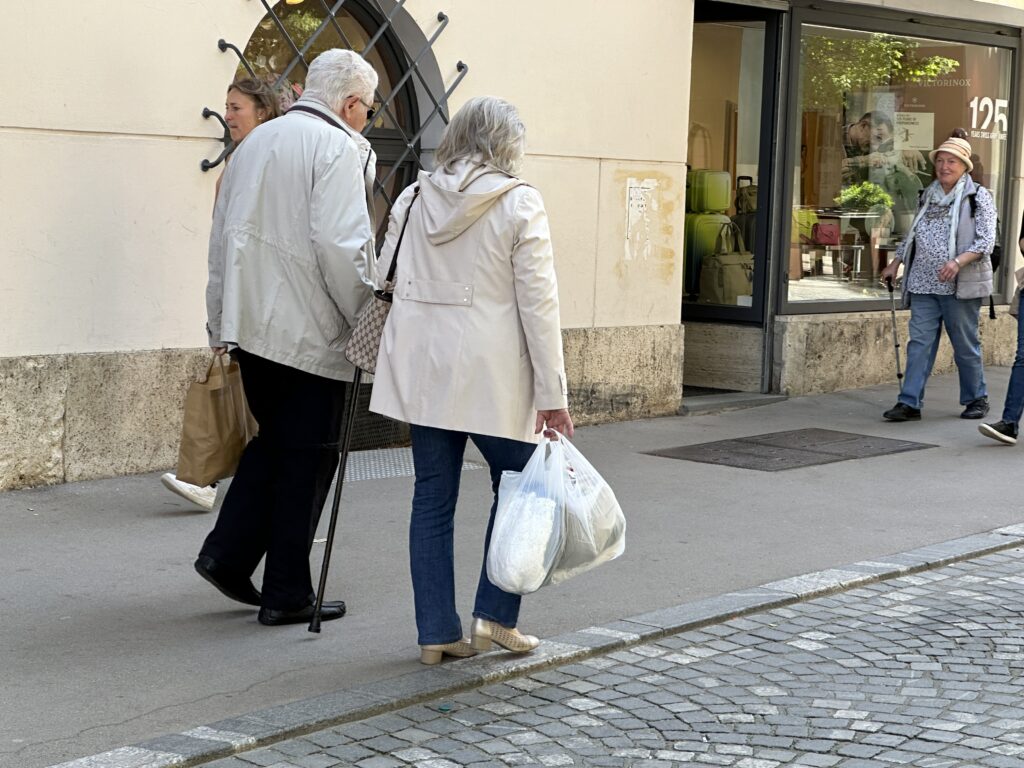
There are significant gender differences in living arrangements among the elderly. According to Eurostat estimates, 21.8 % of European men aged 65 or older live completely alone. Meanwhile, 58 % of men in this age group share a home with one other person. Among women aged 65 or older, 39 % live with another person, while 40.2 % live entirely alone. These women constitute a particularly vulnerable and exposed group at risk of social exclusion. Elderly populations in poorer countries face additional challenges, including poverty, social exclusion, and healthcare discrimination.
The proportion of the very elderly is also increasing. Last year, there were 176,232 people aged 100 or older living in the EU.
According to projections by the European Commission, the share of individuals aged 65 and over in the EU-27 is expected to grow significantly, rising from 90.5 million in early 2019 to 129.8 million by 2050.