“It’s Tuesday morning, around 11 o’clock, and I’m at home. It’s a morning like any other—until I hear a notification on my phone. ‘HartslagNu ALERT!’ appears on my screen. I tap ‘Accept,’ rush down the stairs, and jump into my car. When I arrived, a police officer had just entered the apartment. Together, we move an unconscious man to a better position and we take turns performing CPR. A few minutes later, the paramedics arrive, and we continue working together. Then, suddenly, the patient starts to show signs of life. He survived.
In my time as a civilian responder, I’ve experienced many resuscitations. It doesn’t always end this well — only about half the time, in my experience. But I always return home with my head held high, thinking “I was given the opportunity to help again.”«
This is how Maurice, first aid responder, recalls his unforgettable experience. He is just one od 245.000 volunteers across the Netherlands who are registered with HartslagNu, the country’s national resuscitation network. These volunteers play a crucial role in out-of-hospital cardiac arrests (OHCA), ensuring fast support to sudden patients with cardiopulmonary resuscitation(CPR) and early defibrillation. With nearly 25.840 registered Automated External Defibrillators (AEDs) strategically placed throughout the country, the system enables rapid response even before emergency services arrive.
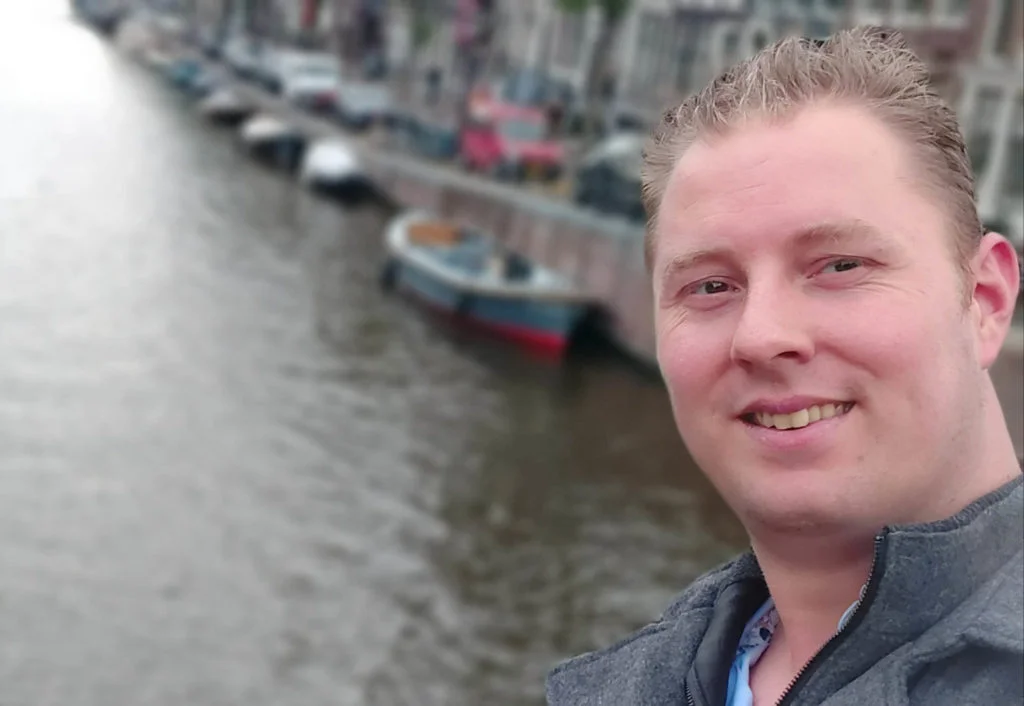
Maurice Bakker
A System That Saves Lives
Every day, about 40 people suffer cardiac arrests outside of hospitals in the Netherlands. Survival depends on immediate action – applying CPR and an AED within six minutes dramatically increases the chance of survival. To meet this urgent need, the HartslagNu system was developed to mobilize trained volunteers swiftly.
How does HartslagNu Work? When a 112 emergency call reports a suspected heart attack, HartslagNu alerts nearby trained volunteers through a mobile app.
In the first wave, the system sends alerts to responders within 500 meters. If there’s no response, the radius expands to 2 kilometers. Volunteers are instructed to either go directly to the victim or retrieve the nearest AED.
This system is crucial because survival chances drop by 10% per minute without intervention. The golden window for resuscitation is just six minutes – a time frame that ambulances often cannot meet. HartslagNu responders arrive an average of 2.5 minutes earlier than emergency services, bridging this life-saving gap. Studies show that in 65% of OHCA cases, an AED is applied before the ambulance arrives – a proof that civilian responders make a crucial difference.
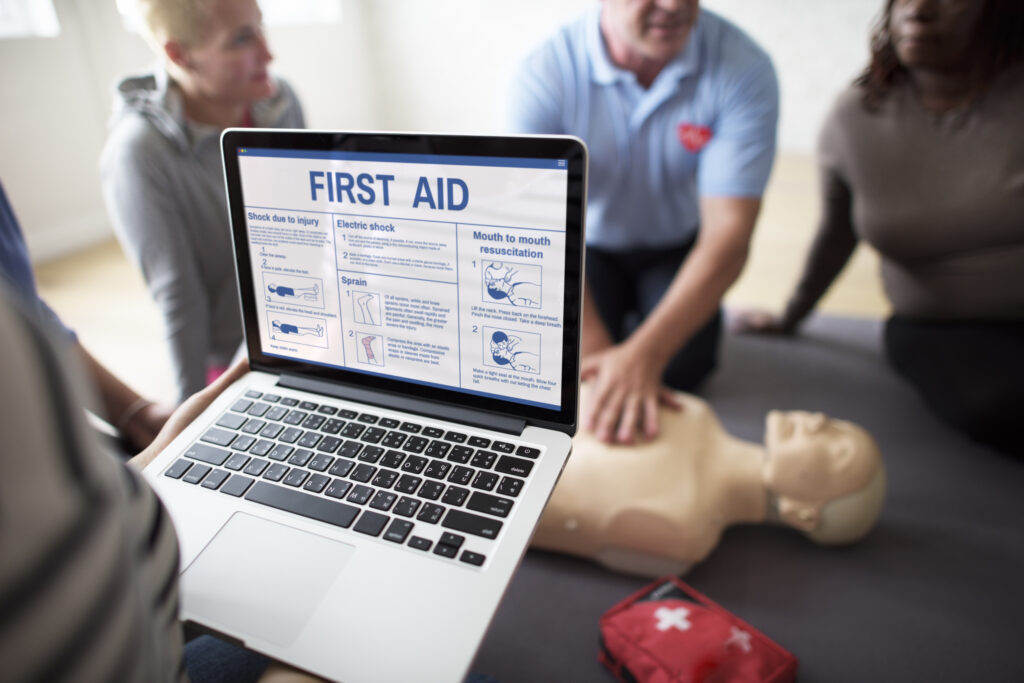
Freepic foto
Who can join? Anyone 18 years or older with a valid CPR and AED certificate from accredited organizations like the Dutch Red Cross or Hartstichting can register as a responder.
Real Stories, Real Impact
The best way to understand the power of HartslagNu is through the stories of those whose lives have been saved.
In 2022, volunteers responded to 80% of cardiac emergencies. In Limburg, a volunteer performed CPR within two minutes after a 112 call, saving a man’s life before professional help arrived. In Friesland, an elderly woman was saved when a nearby volunteer used an AED.
But for many, becoming a HartslagNu responder isn’t just about helping strangers – it’s about protecting those closest to them. Arnoud, a first aid trainer (WhySkills) and responder, was on a family trip when his father suddenly collapsed on the beach.
»My heart pounded, adrenaline surging. I dropped beside him, I cheched, he was uncouscious. No response. I shouted for help – someone called 112. I tilted his head back, checked for breathing. Nothing. No rise, no fall. I started CPR. Press. Count. Breathe. Again. “Come on, Dad. Stay with me.” A minute later, another HartslagNU responder was running with an AED. We worked in sync—pads on, shock advised. Minutes stretched endlessly—until suddenly, he gasped. A weak pulse. Relief flooded me as the ambulance arrived. I let out a shaky breath, looking at the other responder. We nodded, knowing we had done exactly what we trained for. That night, I didn’t just save a life—I saved my dad.«
Challenges in Urban and Rural Areas
Despite the system’s success, volunteer response rates vary. In rural areas like Limburg and Gelderland, volunteers respond to over 90% of cardiac emergencies. In urban areas, response rates are lower-only 64% of cases in Amsterdam receive a volunteer responder before an ambulance arrrives. Increasing engagement in cities remains a challenge, but efforts to recruit and train more responders continue.
More Than Just a Response System
HartslagNu is more than an emergency response system—it is a reflection of Dutch culture, where civic engagement and social responsibility are deeply appreciated. Volunteering is a way of life and first aid training is often introduced at a young age through scouting and community programs. This culture of preparedness builds confidence and teamwork, reinforcing the idea that helping others is a shared obligation. Regular CPR and AED training ensures that volunteers stay skilled and ready to respond.
The Future of First Aid Volunteering
The goal of HartslagNu is to increase survival rates even further by expanding its network of trained responders and AEDs. Raising awareness and encouraging more people to become first responders can save countless lives– because every second counts. Their quick action can mean the difference between life and death. With their dedication and courage, they not only save lives but also strengthen the resilience of the entire community.
Even if you don’t register as a responder, knowing CPR and how to use an AED can help save someone close to you – your family, friends, or coworkers. Their model proves that everyday people can be lifesavers, creating a stronger, more resilient society.
“The question for each of us: Are you ready to step up and help save a life?”